What You Need to Know About Data Silos
What are Data Silos?
Many organizations struggle with inconsistent reporting, duplicated effort, and unclear metrics. These problems often point to a deeper issue that can slow growth and disrupt decision-making. Data silos form quietly as teams expand their own processes and tracking methods. What begins as a simple spreadsheet or a department-level system can eventually create major barriers to collaboration and performance.
Data silos appear when departments manage information independently. Finance, operations, and IT teams may all track similar metrics but store the data in different systems. Those systems rarely communicate with each other, and leaders end up piecing together reports from multiple sources while trying to reconcile conflicting numbers. This slows response time and leads to uncertainty about which information is accurate.
Data silos also increase the workload for teams who spend valuable time gathering, cleansing, and exporting data. These manual and intensive processes limit how quickly organizations can respond to new opportunities or risks.
The Impact of Data Silos on Decision-Making
Data silos prevent organizations from accessing a complete picture of operations. Leaders are forced to rely on fragmented reports that show only part of the story leading to missed opportunities and poor forecasting. Finance teams may struggle to track cash flow accurately while internal audit teams may face difficulty validating information. IT departments could struggle to monitor data quality or plan system improvements efficiently.
Siloed information causes misalignment across departments. Teams often debate which numbers are correct instead of using their time to analyze trends or plan improvements creating frustration and minimized trust in the data.
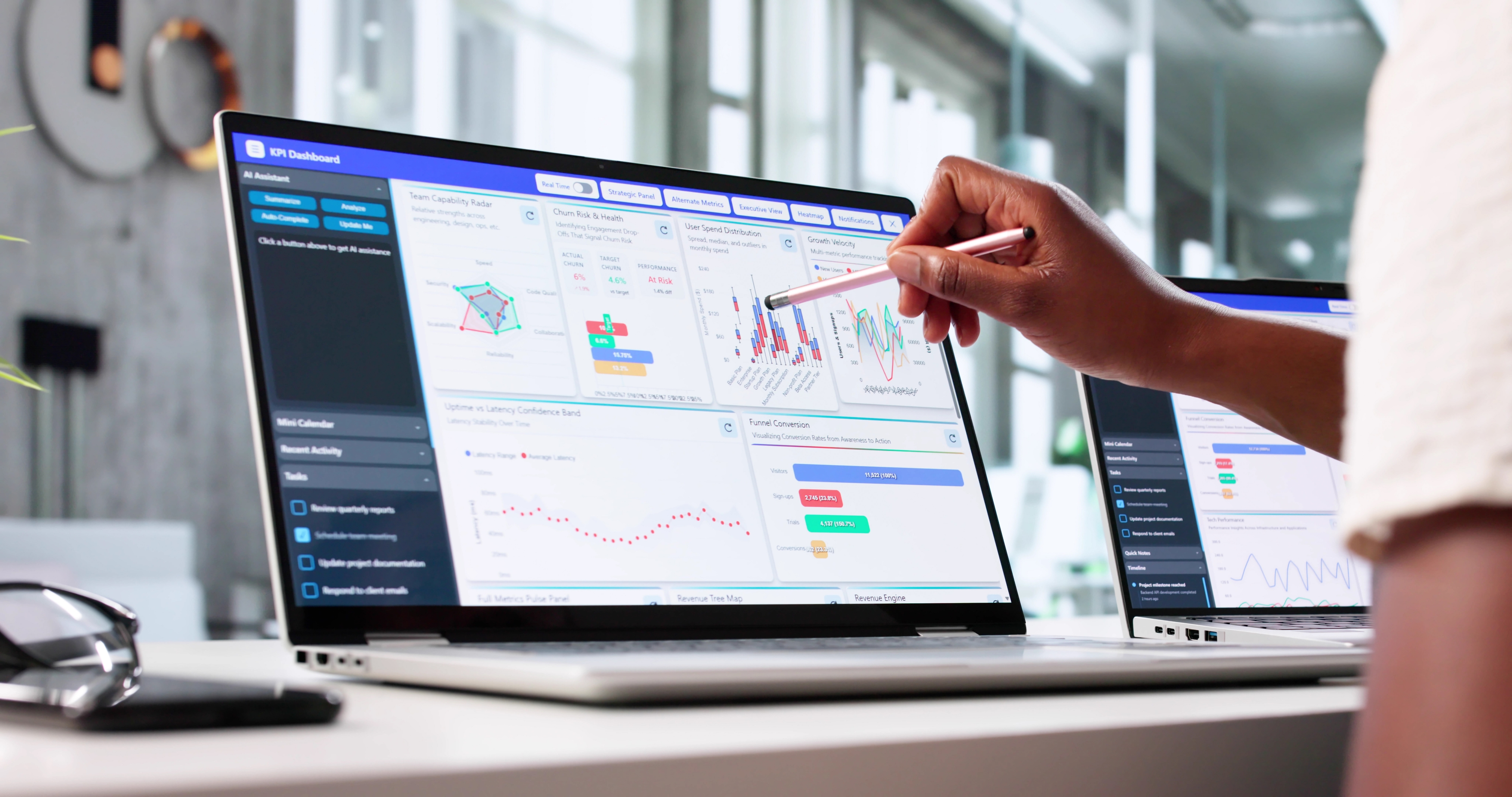
Silos also limit the value of dashboards and analytics tools. A dashboard can only perform as well as the data feeding it. If the inputs are inconsistent or outdated, the insights will not support confident decision-making.
Why Data Silos Form
Data silos form for several reasons. Teams may adopt new tools without alignment across the organization. Legacy systems may remain in place because migrating data seems difficult or disruptive. Departments often create their own spreadsheets when standard reports don’t meet their needs. Each of these choices feels efficient in the moment, but over time they create gaps that slow down the entire organization.
Rapid growth can also contribute to silos. As organizations expand, the volume of data increases, and without a coordinated approach, teams build processes that work only within their areas. This creates inconsistencies in how metrics are defined and reported.
Eliminate Data Silos
Organizations can address data silos through a combination of process improvements and modern technology. The first step is creating a centralized, governed source of truth. This involves consolidating information from systems such as ERP, CRM, and line-of-business applications. Cloud-based data warehouses can support this effort by storing structured and unstructured data securely and at scale.
Automated data pipelines reduce manual entry and improve data quality. Tools such as Microsoft Azure Data Factory, and API- or SQL-based integrations allow real-time data movement across systems. These pipelines ensure that dashboards reflect the most current information.
Standardizing definitions for key metrics is another important step. Finance, operations, and audit teams should align on what each metric means and how it is calculated to strengthen trust in the data and enhance collaboration.
Role-based dashboards can help break down silos by giving each team access to the same validated information. Finance tracks cash flow trends, IT monitors system performance, and internal audit reviews compliance indicators. All these views come from the same single source of truth.
Benefits of a Connected Data Environment
Organizations that eliminate data silos gain immediate improvements in reporting accuracy and operational efficiency. Leaders can make faster, more confident decisions and teams spend less time gathering data allowing more time to analyze insights. A unified data environment also prepares organizations for AI-driven analytics. Predictive models and automated insights depend on consistent, high-quality information.
Connected data allows teams to identify trends, reduce risk, and uncover new opportunities. It supports everything from budgeting improvements to supply chain optimization. Real-time visibility helps leaders respond quickly to changing market conditions.
Transform Your Data Environment
Clark Schaefer Consulting helps organizations eliminate data silos and build data environments that support real-time insights. Our team designs integrated data architecture, automated pipelines, and dashboards that reflect the unique needs of finance, IT, and audit leaders. With our support, organizations gain clarity, efficiency, and confidence in the decisions they make.
Contact our Data Analytics team to learn how to eliminate data silos and build a connected data environment that supports long-term growth.
Expert Contributors