Dashboards Can Help Not-for-Profit Boards Focus on Critical Goals
- Why Dashboards are Critical for Not-for-Profits
- Exploring what a modern dashboard could look like for your organization
The pace and complexity of today’s work is shaking up not-for-profit boards. Funding challenges, workforce shortages, and increased reporting requirements are pushing boards to make faster, more informed decisions. The issue is that most boards are still relying on static financial packets or siloed metrics that don’t tell the whole story.
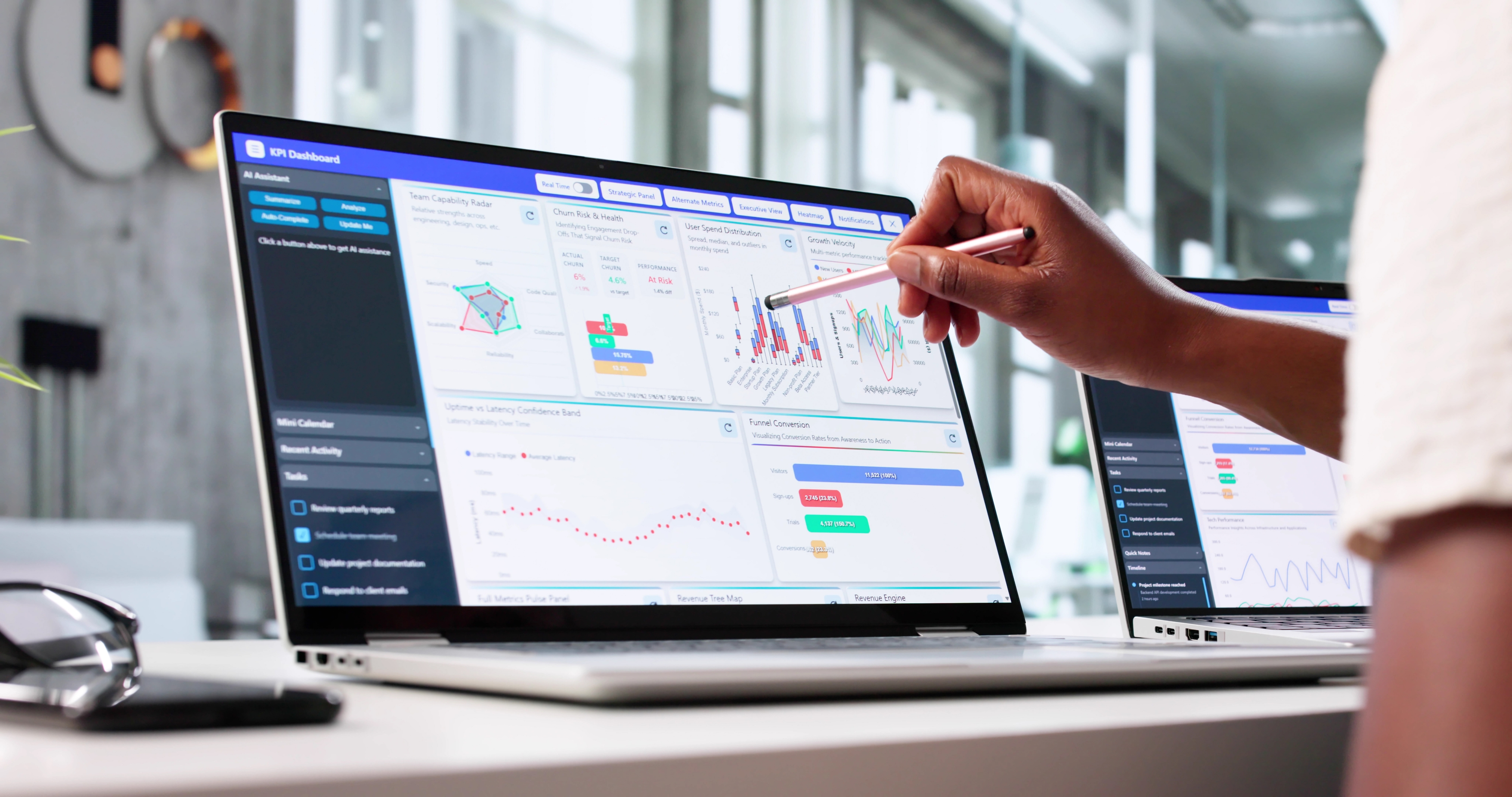
Modern dashboards, including KPI dashboards that highlight key performance indicators, give not-for-profit boards a clearer, more holistic view of organizational health in real-time. Better visibility drives stronger decision-making and more confidence across leadership teams.
Why Dashboards are Critical for Not-for-Profits
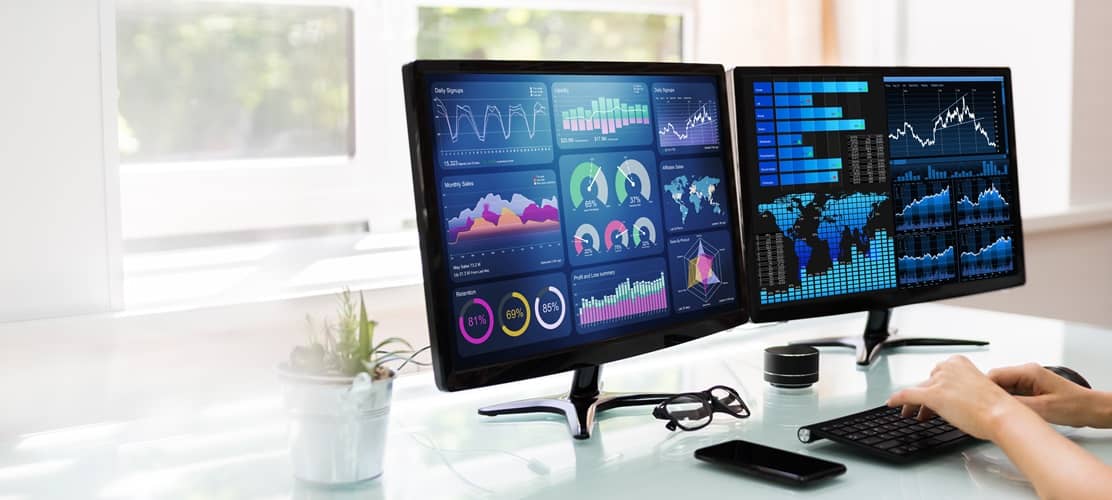
Just as a car’s dashboard displays instantaneous information to the driver, a modern performance dashboard gives not-for-profit boards an at-a-glance understanding of financial health, operational capacity, and mission outcomes. Adding a KPI dashboard view helps boards quickly interpret the key metrics that matter most.
Today’s dashboards have evolved beyond pie charts and monthly financial snapshots. They should paint a clear picture of key data so board members can focus on making decisions that move the mission forward.
These dashboard tools should include:
Pull data from multiple systems (finance, fundraising, programs, HR, and operations)
Deliver instant insights through a KPI dashboard
Identify risks before they become an issue
Show progress toward strategic goals and compliance requirements using key performance indicators
Make trends visual and easy to interpret for all audiences
When dashboards are done well, board members walk into meetings prepared, aligned, and focused on decisions that move the mission forward.
Migrating From Traditional Reporting to Real-Time Insight
1. Integrated Systems Create a Single Source of Truth
Not-for-profits often operate in disconnected platforms such as QuickBooks, donor databases, spreadsheets, volunteer systems, payroll, and program tracking tools.
Modern dashboards, particularly KPI dashboards, connect these systems so boards can see:
True program cost and margin
Funding source diversification
Cash flow outlooks
Donor retention and engagement trends
Program outcomes against targets
Staffing capacity and turnover risks
This demonstrates the full picture to boards, allowing them to act on their data and understand key performance indicatorsin context.
2. Automation Lessens Manual Work (and Human Oversight)
Many organizations spend hours compiling reports for board packets just to prepare for a meeting.
Automated dashboards ease this burden by:
Pulling data on a scheduled basis
Removing manual spreadsheet work
Eliminating version control issues
Freeing staff up for strategic work
Improving accuracy and consistency
This shift alone is transformative for small and mid-sized nonprofits with limited administrative capacity and makes maintaining KPI dashboards much more manageable.
3. AI Helps Boards Strategically Focus
AI tools now play a growing role in not-for-profit dashboards. They can help by:
• Detecting anomalies in financials
• Predicting donor churn
• Detecting early warning risk indicators
• Flagging unusual spending patterns
• Forecasting cash flow or program demand
Boards don’t need to become AI wizards. They just need tools that surface insights automatically through their dashboard, including KPI dashboards that highlight key metrics so they can react faster and allocate resources more efficiently.
Create Insightful Dashboards for Faster Decision-Making
Whether you build a dashboard internally or rely on a reporting platform, start by clarifying a few fundamentals. Begin by identifying your not-for-profit’s top priorities, such as donor retention or operational efficiency. Then determine which metrics matter most to your board and create a dashboard that’s simple and focused on those priorities. Highlight the indicators that best reflect your organization’s financial health, fundraising performance, program impact, operational stability, and emerging risks. Aligning everyone on the same key data leads to stronger, more confident decisions.
The board should view the dashboard quarterly, at minimum. However, many leaders now prefer real-time or monthly access for a pulse check using a KPI dashboard or similar tools.
Give Your Board the Clarity They Need to Lead
Not-for-profit boards can strategically lead their organization with access to easy-to-digest, real-time data through the touch of a button. Modern dashboards and automated reporting give leaders better visibility into performance, risk, and progress so they can make informed decisions. Including a KPI dashboard helps board members quickly interpret key performance indicators in a single view.
If you’re unsure where to begin, you can start by exploring what a modern dashboard could look like for your organization. Our team can help you build the right foundation and turn your data into insight that supports both your board and your mission.

Expert Contributors